
Artikel: Red Light Therapy Explained: Benefits, Wavelength, and Everyday Skincare Uses
Red Light Therapy Explained: Benefits, Wavelength, and Everyday Skincare Uses
Red light therapy has become one of the most talked-about technologies in modern skincare. From professional spa treatments to convenient LED face masks designed for home use, red LED light has become a popular addition to daily beauty routines around the world.
If you've been researching LED light therapy, you've probably noticed that red light is featured in almost every high-quality LED face mask. But what exactly is red light therapy? Why is a specific wavelength important? And how does it fit into an everyday skincare routine?
This guide explains the science behind red light therapy in simple terms, explores its common cosmetic applications, and helps you understand why it remains one of the most widely used light colors in LED skincare devices.
What Is Red Light Therapy?
Red light therapy is a form of LED light therapy that uses visible red wavelengths of light as part of a non-invasive skincare routine.
Unlike ultraviolet (UV) light from the sun, red light does not rely on heat or harsh exposure. Instead, LED devices emit carefully selected wavelengths within the visible red spectrum. These wavelengths are commonly used in beauty devices designed to complement everyday skincare.
Because red light is visible to the human eye, you'll see the mask glow with a soft red color during a treatment session.
Today, red light therapy is commonly found in:
-
LED face masks
-
Handheld beauty devices
-
Professional esthetic treatments
-
At-home skincare systems
Many people choose red light because it fits easily into a consistent skincare routine and requires little effort beyond relaxing for a few minutes during each session.
Understanding Red Light Wavelengths
One of the most important aspects of LED skincare is wavelength.
A wavelength describes the distance between two peaks of a light wave and is measured in nanometers (nm). Even small differences in wavelength can change how light interacts with the skin.
For cosmetic LED devices, red light typically falls within the following range:
620–660 nanometers (nm)
Some of the most commonly used wavelengths include:
|
Wavelength
|
Common Use in LED Beauty Devices
|
|
620 nm
|
Gentle visible red light
|
|
630 nm
|
Frequently used in LED face masks
|
|
633 nm
|
Popular in professional skincare devices
|
|
660 nm
|
Longer visible red wavelength commonly used in advanced LED systems
|
Although these wavelengths are close together, manufacturers may choose slightly different LEDs depending on the design and intended user experience of the device.
The goal is consistency rather than intensity. High-quality LED skincare devices deliver controlled, even illumination across the face for comfortable daily use.
How Does Red Light Therapy Work?
LED light therapy uses light—not heat—to expose the skin to carefully selected wavelengths.
When red light reaches the surface of the skin, it becomes part of a gentle beauty routine that complements your regular skincare products. Unlike creams or serums, which are applied directly to the skin, LED devices provide a hands-free experience that many people find relaxing and easy to incorporate into their schedules.
One reason red light therapy has become so popular is its simplicity.
Most treatments require only a short session while reading, watching TV, meditating, or simply unwinding after a busy day.
Consistency is often considered more important than long, infrequent sessions, which is why many users make LED treatments part of their weekly skincare habits.
Why Is Red Light So Popular in Skincare?
Among all LED colors, red light has become the most widely recognized because it is versatile and easy to include in a beauty routine.
Many skincare enthusiasts choose red light as part of their routine to support the appearance of:
-
Smooth-looking skin
-
Healthy-looking skin
-
A radiant complexion
-
Even-looking texture
-
Well-maintained skin over time
Rather than replacing cleansers, moisturizers, or sunscreen, red light therapy is typically viewed as an additional step that complements a complete skincare regimen.
Red Light and Near-Infrared Light: What's the Difference?
Because they're often used together, red light and near-infrared (NIR) light are sometimes confused.
The biggest difference is visibility.
- Red light is visible to your eyes, creating the familiar red glow seen in LED masks.
- Near-infrared light is invisible. Although you won't see it during treatment, many premium LED devices include NIR LEDs alongside visible red LEDs as part of a multi-wavelength design.
Together, these two wavelengths create a more comprehensive LED experience while remaining gentle enough for regular home use.
Tips for Getting the Most Out of Your LED Face Mask
Although LED devices are simple to use, a few good habits can help you build an effective routine.
Start with Clean Skin
Remove makeup, sunscreen, and excess oil before each session so your skincare routine begins with freshly cleansed skin.
Be Consistent
Like many beauty routines, regular use over time tends to fit more naturally into everyday skincare than occasional treatments.
Follow With Skincare Products
After using your LED face mask, many people continue with hydrating serums or moisturizers as part of their regular nighttime routine.
Wear Your Mask Comfortably
Choose an LED face mask designed for comfort so it's easier to relax during each session.
Choosing a Quality Red Light Face Mask
Not all LED face masks are designed the same.
When comparing products, consider features such as:
-
Multiple LED wavelengths
-
Comfortable fit
-
Full-face coverage
-
Even LED distribution
-
Hands-free design
-
Adjustable treatment programs
-
Personalized skincare guidance
Some newer devices also incorporate AI-powered skin analysis to help recommend treatment modes based on individual skin characteristics.
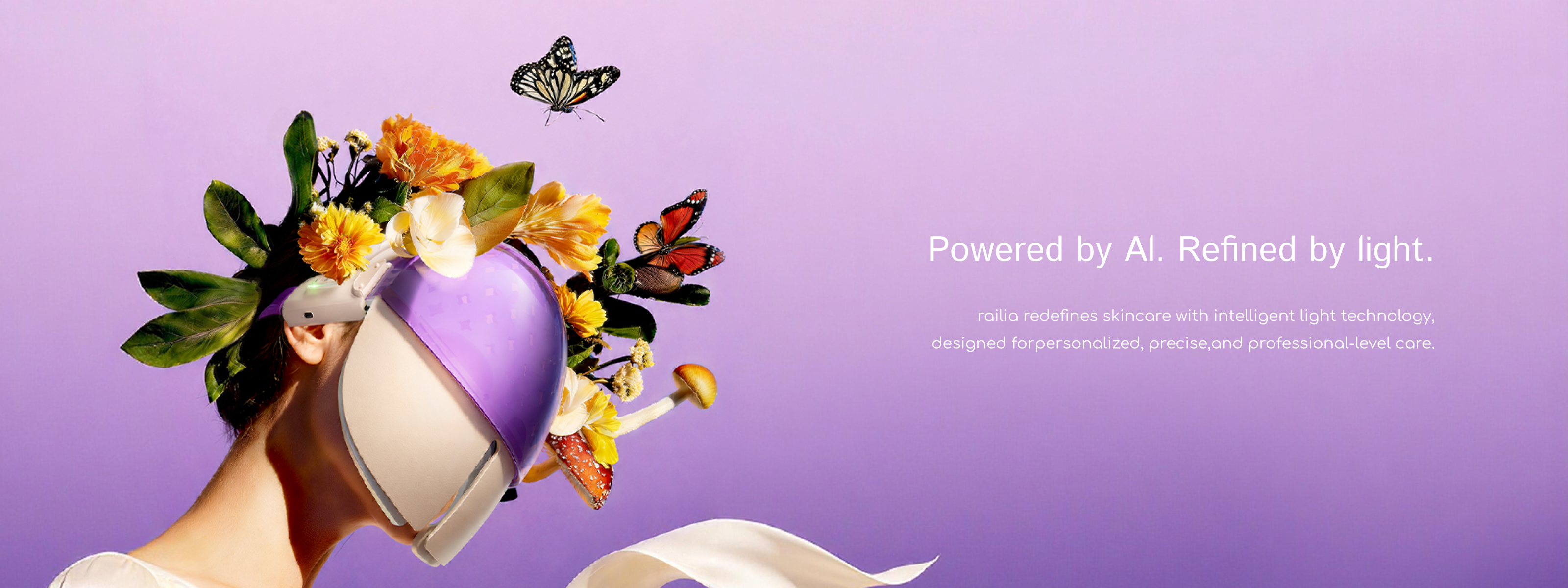
For example, the railia AI LED Face Mask combines multiple LED wavelengths—including red light—with AI-guided skincare insights that recommend personalized light settings and session times. Instead of manually choosing a treatment every time, users receive suggestions based on their skin profile, making it easier to build a consistent skincare routine.
Hinterlasse einen Kommentar
Diese Website ist durch hCaptcha geschützt und es gelten die allgemeinen Geschäftsbedingungen und Datenschutzbestimmungen von hCaptcha.