
LED Light Therapy for Skin: How It Works, Benefits, Colors, and Safety
LED light therapy has become one of the most talked-about technologies in modern skincare. Once used mainly in professional settings, LED light therapy is now widely available through at-home skincare devices, including LED face masks.
But with so many light colors and skincare claims, it can be difficult to understand what LED light therapy actually does.
-
What is red light used for?
-
How is blue light different?
-
What does near-infrared light do?
-
Is LED light therapy safe for at-home use?
-
And how do you know which light your skin needs?
This guide explains the basics of LED light therapy, how different wavelengths are commonly used in skincare, and how intelligent, personalized LED routines can help make at-home skincare easier to understand and maintain.
What Is LED Light Therapy?
LED stands for light-emitting diode. In skincare, LED light therapy uses specific wavelengths of light to support visible skin goals over time.
Unlike lasers or more invasive treatments, LED light therapy is non-invasive. It does not remove layers of skin, create controlled injury, or require downtime. Instead, LED skincare devices expose the skin to different wavelengths of light, each commonly associated with different visible skin benefits.
LED light therapy is often used in routines focused on:
-
Smoother-looking skin
-
Visible signs of aging
-
Dullness
-
Uneven-looking tone
-
Oily-looking skin
-
Blemish-prone areas
-
Visible redness
-
Overall skin stress
The key to LED skincare is consistency. LED light therapy is not designed to create overnight transformation. It is most useful when used regularly as part of a broader skincare routine.
How Does LED Light Therapy Work?
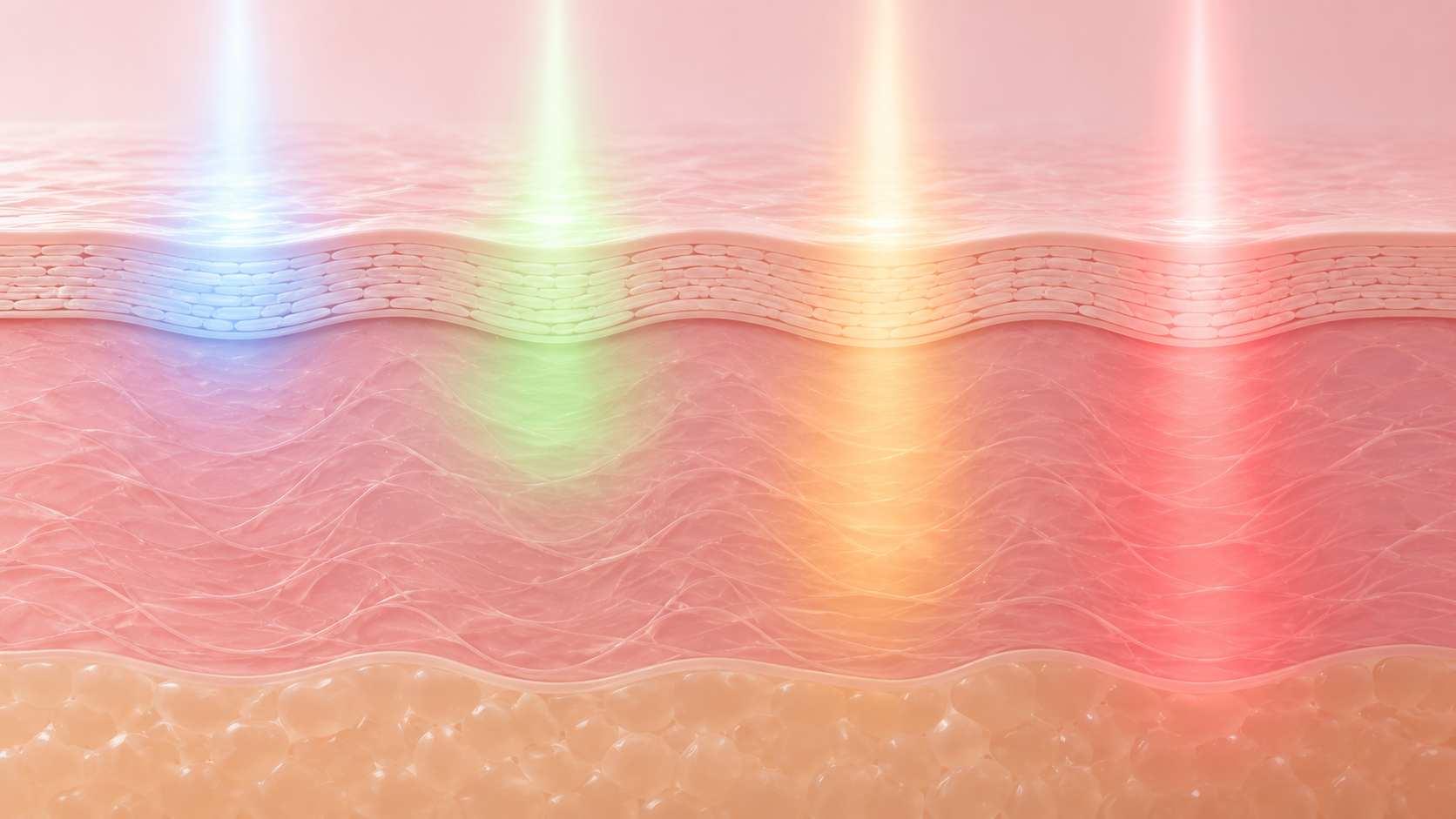
Different wavelengths of light reach the skin in different ways. Some wavelengths are used for surface-level concerns, while others are commonly included in routines focused on deeper light therapy support.
In skincare, LED light therapy is often discussed in terms of color. Each color represents a different range of wavelengths.
The most common LED colors in skincare include:
-
Red light
-
Blue light
-
Yellow light
-
Green light
-
Near-infrared light
Each wavelength has a different role in a skincare routine. This is why many advanced LED face masks now include more than one light option.
However, more options can also create confusion. If a device asks users to choose a mode manually, many people may not know which light to use for their skin on a particular day.
That is where personalization becomes important.
Red Light: For Smoother, Firmer-Looking Skin
Red light is one of the most popular wavelengths in LED skincare.
It is commonly used in routines focused on visible signs of aging, including fine lines, dullness, and loss of visible firmness. Red light is often associated with supporting a smoother, more refreshed-looking complexion over time.
People interested in anti-aging skincare often look for red light therapy because it fits easily into a long-term routine. It does not replace sunscreen, moisturizer, retinol, or other skincare steps, but it can be a supportive part of a consistent routine focused on healthier-looking skin.
Red light is especially popular among users who want skincare that feels gentle, non-invasive, and easy to repeat.
Blue Light: For Oily-Looking and Blemish-Prone Skin
Blue light is commonly used in skincare routines focused on oily-looking or blemish-prone skin.
It is often associated with supporting a clearer-looking complexion and helping users manage skin that appears congested, oily, or unbalanced.
Blue light is not a replacement for medical acne care or prescription treatment. For users with moderate to severe acne, it is best to consult a dermatologist. But for at-home skincare routines, blue light is often included as a supportive LED option for users concerned with visible blemishes and oiliness.
Yellow Light: For a Calmer-Looking Complexion
Yellow light is often used in skincare routines focused on visible redness, skin stress, and a tired-looking complexion.
Many users look for yellow light when their skin appears sensitive, fatigued, or visibly stressed from daily life, weather changes, travel, or lack of sleep.
In a daily skincare routine, yellow light can be a useful option for users who want their skin to look calmer and more balanced over time.
Green Light: For Uneven-Looking Tone and Dullness
Green light is commonly associated with dullness and uneven-looking skin tone.
It is often included in LED skincare routines for users who want their complexion to look brighter, more even, and more refreshed.
Uneven tone can be influenced by many factors, including sun exposure, stress, hormones, and lifestyle. Green light is not a replacement for sunscreen or targeted skincare ingredients, but it can be part of a broader routine focused on improving the appearance of overall skin balance and radiance.
Near-Infrared Light: For Deeper Light Therapy Support
Near-infrared light is invisible to the human eye, but it is often included in advanced LED skincare devices.
In skincare routines, near-infrared light is commonly used for deeper light therapy support and is often paired with red light in routines focused on visible firmness, skin resilience, and long-term skin appearance.
Because near-infrared light is more technical than visible LED colors, users may not always know when or how to use it. This is another reason why guided, personalized LED routines can be helpful.
Why Multi-Wavelength LED Skincare Matters
Skin rarely has only one concern.
On one day, your skin may look dull and tired. On another day, it may appear oily, stressed, or uneven. After travel, poor sleep, seasonal changes, or a busy work week, your skin may need a different kind of support.
That is why multi-wavelength LED skincare can be valuable.
Instead of relying on only one light color, a multi-wavelength LED device can support different visible skin goals. Red, blue, yellow, green, and near-infrared light each offer a different kind of support within a skincare routine.
But there is one challenge: more wavelengths can mean more decisions.
Users may wonder:
-
Should I use red light or blue light today?
-
Should I combine different light modes?
-
How long should each session be?
-
How often should I use my LED mask?
-
How do I know whether my skin is improving?
The best LED skincare experience should not make users feel overwhelmed. It should make the routine easier to follow.
Professional LED Therapy vs. At-Home LED Face Masks
LED light therapy can be found in both professional settings and at-home devices.
Professional treatments are often performed in clinics, spas, or dermatology offices. These sessions may use larger or more powerful devices and are often guided by trained providers.
At-home LED face masks are designed for convenience and consistency. They allow users to bring LED skincare into their regular routine without scheduling appointments.
The benefit of at-home LED skincare is not that it replaces every professional treatment. The benefit is that it makes consistent light therapy more accessible.
For many users, the ability to use a device regularly at home is what makes LED skincare practical.
Is LED Light Therapy Safe?
LED light therapy is generally considered non-invasive and does not require downtime, but it should still be used responsibly.
Before using any LED skincare device, users should follow the device instructions carefully. Important safety considerations include:
-
Protecting the eyes when required
-
Avoiding use over irritated or broken skin
-
Being cautious if taking photosensitizing medications
-
Consulting a professional if pregnant, nursing, or managing a skin condition
-
Starting slowly if skin is sensitive
-
Using the device only as directed
More is not always better. Using LED light therapy too often or for longer than recommended does not guarantee better results. A consistent, properly guided routine is more important than overuse.
How Often Should You Use an LED Face Mask?
The ideal frequency depends on the device, the wavelengths used, and your skin’s needs.
Many at-home LED masks are designed for regular use several times per week or as directed by the brand. Some advanced devices are designed to fit into a simple daily ritual.
The most important factor is consistency.
LED skincare is not about one dramatic session. It is about building a repeatable habit that supports visible skin goals over time.
If your routine feels complicated, you are less likely to continue. If it feels simple, guided, and comfortable, it becomes easier to maintain.
Why Personalization Matters in LED Skincare
Traditional LED masks often ask users to choose a mode manually. That can work for people who already understand their skin and know what each wavelength does.
But many users do not want to study every light color before starting their routine. They want guidance.
Your skin changes with sleep, stress, travel, weather, hormones, and lifestyle. A fixed routine may not always match what your skin appears to need on a particular day.
Personalized LED skincare helps reduce that guesswork.
Instead of asking users to decide everything themselves, a smarter system can help guide the routine based on visible skin concerns and long-term progress.
This is where AI-guided LED skincare becomes meaningful.
How Rai-FACE Brings AI-Guided LED Skincare Home
Rai-FACE was designed to make advanced LED skincare more personal and easier to follow.
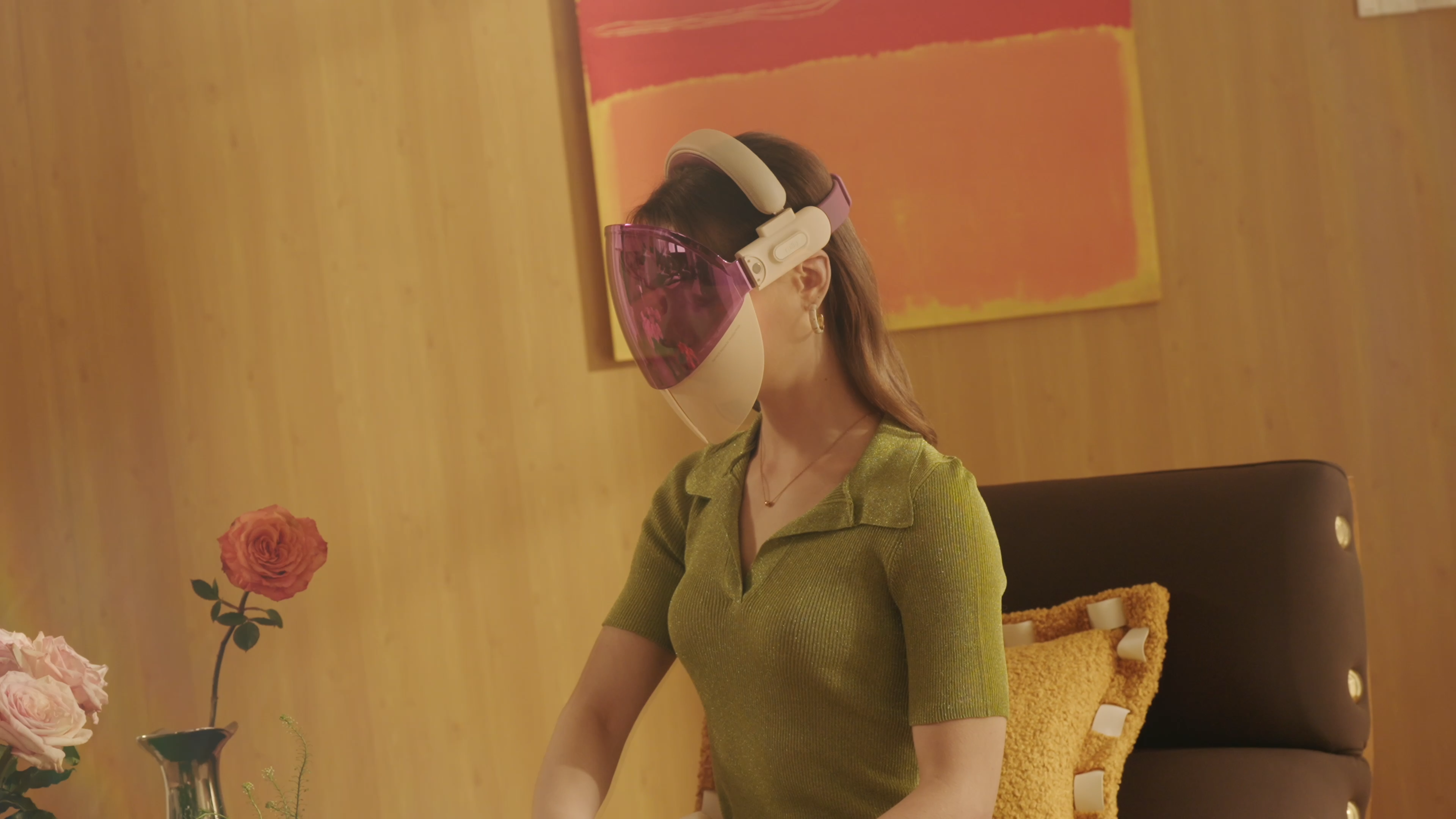
As an AI-powered LED light therapy mask, Rai-FACE combines multi-wavelength LED light therapy, AI skin analysis, app-based control, and skin progress tracking in one intelligent skincare system.
Instead of relying only on fixed manual modes, Rai-FACE helps analyze visible skin concerns and recommend a more personalized LED light therapy routine.
This helps users spend less time guessing and more time following a guided, consistent skincare ritual.
Rai-FACE is designed to support visible skin goals such as:
-
Fine lines
-
Dull-looking skin
-
Uneven-looking tone
-
Visible redness
-
Oily-looking skin
-
Blemish-prone areas
-
Loss of visible firmness
-
Overall skin stress
More than an LED face mask, Rai-FACE works as an intelligent skincare companion — helping users understand their skin, personalize their routine, and track visible changes over time.
The Role of the railia App
One of the most common frustrations with skincare is not knowing whether anything is changing.
Visible improvements often happen gradually. It can be difficult to notice small changes in tone, texture, oiliness, or overall skin appearance from day to day.
The railia app helps make progress easier to follow.
With app-based tracking, users can view skin improvement charts and monitor visible skin trends over time. This helps turn LED skincare from a routine you simply hope is working into a process you can better understand.
The app helps users follow:
-
Routine consistency
-
Visible skin trends
-
Changes in skin appearance over time
-
How personalized LED sessions fit into daily care
For users who want a smarter skincare experience, this kind of tracking can make the routine feel more clear, motivating, and personal.
How to Add LED Light Therapy to Your Skincare Routine
LED light therapy works best when it fits into a simple, consistent routine.
A basic skincare routine may include:
Morning
Cleanse gently if needed.
Apply antioxidant skincare if it suits your skin.
Moisturize to support hydration and barrier function.
Apply broad-spectrum sunscreen.
Evening
Cleanse to remove sunscreen, makeup, and daily buildup.
Use targeted skincare ingredients based on your skin’s needs.
Moisturize to support the skin barrier.
Use LED light therapy according to your device instructions.
If you use strong active ingredients, prescription skincare, or have sensitive skin, introduce new steps gradually and follow professional guidance when needed.
What to Expect from LED Light Therapy
LED light therapy should be approached with realistic expectations.
It is not a one-time solution. It does not replace sunscreen, professional care, or a balanced skincare routine. It also does not produce the same experience for every user.
The best results usually come from:
-
Consistent use
-
Proper device placement
-
Following recommended session times
-
Supporting the skin barrier
-
Using sunscreen daily
-
Choosing routines that match your skin’s needs
LED skincare is most valuable when it becomes part of a long-term ritual, not a quick fix.
The Future of LED Skincare Is Intelligent and Personal
LED light therapy is no longer only about choosing a color and starting a session.
The future of LED skincare is more personalized, more guided, and more connected to real daily life.
Users want skincare that helps them understand what their skin needs. They want routines that feel easy to follow. They want visible progress they can track over time.
Rai-FACE brings these ideas together through AI skin analysis, multi-wavelength LED light therapy, and app-based progress tracking.
It is not just about light. It is about making light therapy smarter, more personal, and easier to keep consistent.
FAQ
What is LED light therapy for skin?
LED light therapy uses specific wavelengths of light to support visible skin goals over time. It is commonly used in routines focused on smoother-looking skin, visible signs of aging, blemish-prone areas, uneven-looking tone, and visible redness.
What does red light therapy do for skin?
Red light is commonly used in skincare routines focused on smoother, firmer-looking skin and visible signs of aging. It is often included in anti-aging and skin longevity routines.
What does blue light therapy do for skin?
Blue light is commonly used for oily-looking or blemish-prone skin. It is often included in routines focused on supporting a clearer-looking complexion.
What does yellow light do for skin?
Yellow light is often used in routines focused on a calmer-looking complexion and visible redness support. It can be useful when skin appears stressed or tired.
What does green light do for skin?
Green light is commonly associated with dullness and uneven-looking tone. It is often used in skincare routines focused on a brighter, more balanced-looking complexion.
What is near-infrared light therapy?
Near-infrared light is often included in advanced LED skincare routines for deeper light therapy support. It is commonly paired with red light in routines focused on visible firmness and long-term skin appearance.
Is LED light therapy safe for at-home use?
LED light therapy is non-invasive and does not require downtime, but users should follow device instructions carefully. Eye protection, usage time, skin sensitivity, medications, and existing skin conditions should all be considered.
How often should I use an LED face mask?
Usage depends on the device and your skin’s needs. Follow the instructions provided with your LED mask. Consistency is usually more important than using the device for longer than recommended.
Can LED light therapy replace my skincare routine?
No. LED light therapy should be seen as a supportive step, not a replacement for sunscreen, cleansing, moisturizing, and targeted skincare products.
How is Rai-FACE different from a regular LED face mask?
Rai-FACE combines multi-wavelength LED light therapy with AI skin analysis, app-based control, and progress tracking. Instead of asking users to manually choose every mode, Rai-FACE helps create a more personalized LED skincare routine.
Discover Rai-FACE
LED light therapy can be a powerful part of a consistent skincare routine — but it should not feel confusing.
Rai-FACE brings AI skin analysis, personalized LED light therapy, and app-based progress tracking into one premium skincare system.
More than an LED face mask, Rai-FACE is your intelligent skincare companion — designed to make daily LED skincare smarter, simpler, and more personal.
Discover Rai-FACE and experience a more guided way to care for your skin.


Leave a comment
This site is protected by hCaptcha and the hCaptcha Privacy Policy and Terms of Service apply.