
Blue Light Therapy Explained: How Blue LED Fits Into Your Skincare Routine
LED light therapy has become an essential part of many modern skincare routines, offering multiple light colors designed to support different cosmetic goals. Among these options, blue light therapy is especially well known for its role in caring for oily-looking skin and helping maintain a fresh, balanced-looking complexion.
This guide explains how blue light therapy works, the science behind its wavelength, and how it can become part of your everyday skincare routine.
1. What Is Blue Light Therapy?
Blue light therapy is a type of LED light therapy that uses visible blue wavelengths of light. Unlike ultraviolet (UV) light from the sun, the blue light used in LED skincare devices is carefully controlled and designed for cosmetic applications.
Blue light is one of the shortest wavelengths within the visible light spectrum. Because of its unique properties, it has become a common feature in professional skincare treatments and at-home LED face masks.
Today, blue LED light can be found in a variety of skincare devices, including:
-
LED face masks
-
Handheld beauty tools
-
Professional esthetic equipment
-
Multi-color LED skincare systems
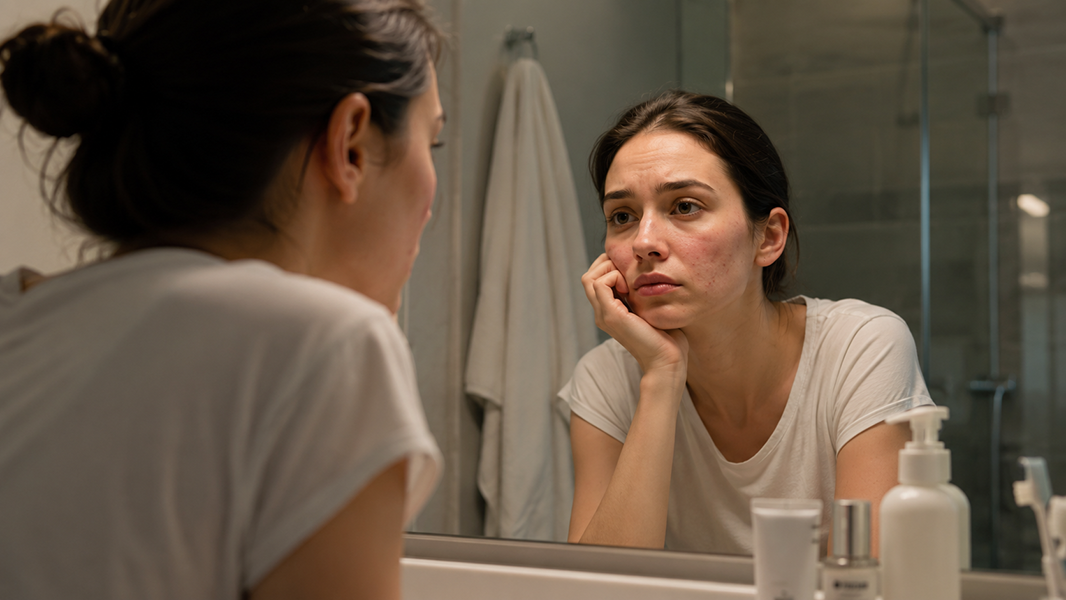
Many people choose blue light as part of a balanced skincare routine, especially when their skin tends to look oily or shiny throughout the day.
2. Understanding Blue Light Wavelengths
One of the most important factors in LED skincare is wavelength.
Blue light used in cosmetic devices typically falls within the range of:
405–470 nanometers (nm)
Common wavelengths include:
| Wavelength | Common Use in LED Beauty Devices |
| 405 nm | Often used in professional LED systems |
| 415 nm | A frequently used wavelength in skincare devices |
| 450 nm | Bright visible blue light |
| 470 nm | Longer blue wavelength used in some LED masks |
Different manufacturers select different wavelengths depending on the design and intended purpose of the device.
Rather than focusing on brightness, high-quality LED masks are designed to deliver consistent, evenly distributed light across the face for a comfortable skincare experience.
3. How Does Blue Light Therapy Work?
Blue LED light works differently from other colors because every wavelength interacts with the skin in its own unique way.
When you wear an LED face mask in blue light mode, the device emits a gentle, visible blue light across the surface of the skin. The treatment does not rely on heat, harsh chemicals, or abrasive techniques. Instead, it offers a simple, non-invasive addition to your skincare routine.
Most users find blue light sessions easy to fit into their daily schedule. Whether you're relaxing after work, reading, or watching your favorite show, an LED treatment typically takes only a few minutes.
Like any skincare routine, consistency is generally more important than using the device occasionally.
4. Why Is Blue Light Popular in Skincare?
Blue light has earned a place in many skincare routines because it complements products designed for skin that appears oily or unbalanced.
Many users choose blue light therapy to help support the appearance of:
-
Fresher-looking skin
-
A more balanced complexion
-
Less shiny-looking skin
-
Clearer-looking skin
-
A refreshed appearance after a long day
Rather than replacing cleansers, toners, or moisturizers, blue light is commonly used as an additional step that works alongside a complete skincare routine.
People with combination or oily-looking skin often include blue light sessions as part of their weekly skincare schedule.
5. Blue Light vs. Red Light
Blue light and red light are the two most commonly used colors in LED skincare, but they serve different cosmetic purposes.
| Feature | Blue Light | Red Light |
| Typical Wavelength | 405–470 nm | 620–660 nm |
| Visible Color | Blue | Red |
| Common Cosmetic Focus | Oily-looking skin and balanced complexion | Overall skin appearance and radiant-looking skin |
| Best Used With | Cleansing routine | Hydrating skincare routine |
Many advanced LED face masks include both blue and red light, allowing users to choose the setting that best matches their skincare goals on a given day.
6. Blue Light Compared to Other LED Colors
Modern LED face masks often include several wavelengths in one device.
Here's how blue light compares with the others:
| LED Color | Typical Wavelength | Common Cosmetic Focus |
| Blue | 405–470 nm | Oily-looking skin and balanced appearance |
| Red | 620–660 nm | Overall skin appearance |
| Green | 520–560 nm | More even-looking skin tone |
| Yellow | 570–590 nm | Brighter-looking complexion |
| Near-Infrared | 810–850 nm | Invisible light often paired with visible LEDs |
Using multiple light colors gives users greater flexibility to customize their skincare routine.
7. When Should You Use Blue Light?
Blue light can fit into a skincare routine in several different ways.
Many people enjoy using it:
-
After cleansing in the evening
-
Following a long day outdoors
-
As part of a weekly skincare routine
-
Alongside lightweight skincare products
-
When skin appears especially oily
Your preferred schedule may vary depending on your skin type and the recommendations provided by your LED device manufacturer.
8. Tips for Getting the Best Results
Although LED treatments are simple to use, building good skincare habits can help you make the most of every session.
a. Cleanse Before Each Treatment
Start with freshly cleansed skin to remove makeup, sunscreen, and excess oil before using your LED face mask.
b. Stay Consistent
Regular sessions are easier to maintain than using the device only occasionally.
c. Pair With the Right Skincare Products
Many people follow blue light treatments with lightweight moisturizers or hydrating skincare products that fit their skin type.
d. Follow Your Device Instructions
Always use the treatment time recommended by the manufacturer for the safest and most comfortable experience.
9. Choosing a Blue Light LED Face Mask
If you're shopping for an LED face mask, blue light is only one feature to consider.
A high-quality device should also offer:
-
Multiple LED wavelengths
-
Comfortable full-face coverage
-
Even light distribution
-
Adjustable treatment modes
-
Hands-free operation
-
Easy-to-follow treatment guidance
Some advanced LED face masks go a step further by using artificial intelligence to personalize the user experience.
The railia AI LED Face Mask combines blue light with four additional wavelengths—red, green, yellow, and near-infrared—to create customized skincare routines. Using AI-guided skin analysis, the device recommends light modes and session lengths based on your skin profile, making it easier to enjoy a personalized skincare routine at home.
Final Thoughts
Blue light therapy has become an important part of modern LED skincare because it offers a gentle, convenient way to complement everyday beauty routines. Its visible blue wavelength, ease of use, and compatibility with a variety of skincare products have made it a popular choice for people looking to maintain a fresh, balanced-looking complexion.
Whether you're exploring LED light therapy for the first time or upgrading to a multi-wavelength device, understanding how blue light works can help you choose the right treatment for your skincare goals.
Advanced devices like the railia AI LED Face Mask make the experience even more personalized by combining blue light with four additional wavelengths and AI-guided recommendations. The result is a flexible skincare routine that adapts to your individual needs while making LED light therapy simple enough to enjoy from the comfort of home.

Leave a comment
This site is protected by hCaptcha and the hCaptcha Privacy Policy and Terms of Service apply.