
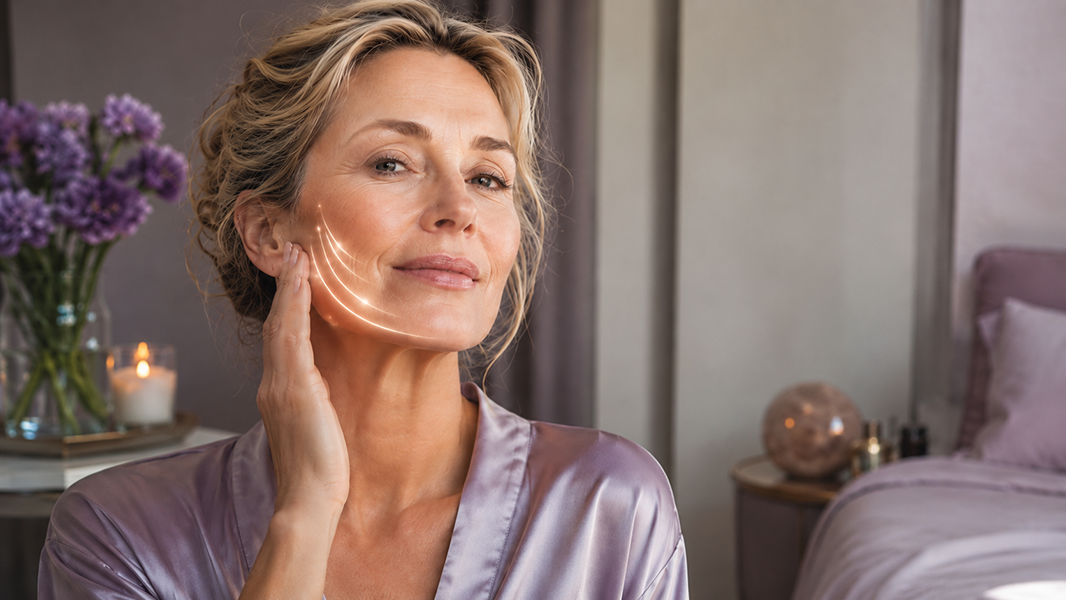
Master Anti-Aging Quickly & Revitalize Your Youthful Glow
Skin aging happens to everyone—it’s completely natural. But the good news is, you can slow it down with the right habits, skincare, and technology. Many people think anti-aging only matters later in life, but in reality, our skin starts losing collagen from around age 25.
In this guide, we’ll explain why skin ages, what signs to look for, and easy, effective ways to care for your skin, including how LED face masks can help.
1. Why Does Skin Age?
Think of your skin like a brand-new house. When it’s new, everything looks firm, smooth, and fresh. Over time, wear and tear start to show—especially if the house is exposed to sun, wind, and pollution every day.
Skin aging happens for two main reasons:
1.1 Natural Aging (What We Can’t Control)
As we get older:
- Collagen (the protein that keeps skin firm) slowly decreases
- Skin becomes thinner and less elastic
- Skin repairs itself more slowly
This process usually starts in our mid-20s and gradually speeds up as we age.
1.2 External Aging (What We Can Control)
These are factors from daily life that speed up aging:
- Sun exposure (UV rays) – the biggest cause of wrinkles and dark spots
- Air pollution
- Blue light from phones and screens
- Too much sugar
- Lack of sleep and stress
Among all of these, sun damage is the number one cause of premature aging.
2. Common Signs of Skin Aging
Skin aging doesn’t happen overnight—it appears step by step.
2.1 Early Signs
- Fine lines around the eyes or mouth when smiling
- Skin feels drier than before
- Pores look bigger
- Skin looks less smooth
2.2 Moderate Signs
- Sagging around the jawline
- Smile lines that stay even when not smiling
- Droopy eyelids
- Lines on the neck
2.3 Visible Aging
- Uneven skin tone
- Dark spots and pigmentation
- Redness or broken capillaries
- Loss of firmness and volume
- Wrinkles that don’t fade
These signs are connected. When collagen weakens, skin loses support, leading to sagging, wrinkles, and dullness.
3. When Should You Start Anti-Aging?
The best approach is prevention first.
- Before 25: Build good habits—especially daily sunscreen.
- 25–30: Start early care. Skin recovers slower after late nights.
- 30–40: Aging becomes more visible. Collagen loss increases.
- 40+: Skin becomes thinner and drier. A full routine is needed.
The earlier you start, the better your skin will age.
4. Effective Anti-Aging Methods That Actually Work
4.1 Daily Skincare (Your First Defense)
The most important step? Sunscreen—every single day.
- Use SPF 30 or higher
- Protects collagen
- Prevents wrinkles and dark spots
Look for proven ingredients:
- Retinol – boosts collagen
- Vitamin C – brightens and protects
- Peptides – help reduce wrinkles
- Hyaluronic Acid – hydrates deeply
- Niacinamide – strengthens skin barrier
4.2 Nutrition: Feed Your Skin From Within
Healthy skin starts inside your body.
- Eat colorful fruits and vegetables
- Get enough protein
- Reduce sugar intake
Best foods for skin:
- Fatty fish (Omega-3)
- Citrus fruits (Vitamin C)
- Tomatoes (antioxidants)
4.3 LED Light Therapy: Professional Care at Home
LED face masks are a popular and science-backed way to support anti-aging.
How LED light helps:
- Red light stimulates collagen and improves firmness
- Blue light helps reduce acne
- Amber light calms and soothes skin
For best results:
- Use 2–3 times a week
- 15–20 minutes per session
- Be consistent for at least 8 weeks
LED therapy is gentle, non-invasive, and suitable for long-term use.
4.4 Lifestyle Habits That Make a Big Difference
No skincare product can replace good habits.
- Sleep well (10 PM–2 AM is skin repair time)
- Exercise to improve blood circulation
- Manage stress—high stress breaks down collagen
Even small changes can show big results over time.
4.5 Professional Treatments (Optional)
For deeper concerns, treatments like lasers, peels, or injectables may help. Always consult a qualified professional before starting.
5. Common Anti-Aging Myths to Avoid
- “Expensive products work better” – Not always. Ingredients matter more.
- “Results should be instant” – Real anti-aging takes time.
- “Only the face matters” – Don’t forget your neck, hands, and eyes.
Final Thoughts
Anti-aging isn’t about stopping time—it’s about taking care of your skin consistently.
Start with small steps:
- Wear sunscreen daily
- Eat better
- Sleep earlier
- Add LED light therapy to your routine
The best time to start anti-aging was years ago. The second-best time is today. Your future skin will thank you.



Leave a comment
This site is protected by hCaptcha and the hCaptcha Privacy Policy and Terms of Service apply.