
Anti-Aging Skincare Guide: What Works, What Matters, and Where LED Light Therapy Fits In
Aging is natural. Skin changes over time, and those changes are influenced by many factors: genetics, sun exposure, lifestyle, sleep, stress, hormones, and daily skincare habits.
But anti-aging skincare does not have to mean fighting your age or chasing dramatic overnight results. A better approach is to focus on healthy-looking skin, long-term consistency, and visible skin resilience.
The most effective anti-aging routine is usually not the most complicated one. It is the one you can understand, trust, and keep doing.
This guide explains what causes visible skin aging, which skincare habits matter most, and how technologies like LED light therapy can support a modern at-home routine.
What Actually Causes Visible Skin Aging?
Visible skin aging happens for two main reasons: internal aging and external aging.
Internal aging is the natural biological process that happens over time. As we age, skin gradually produces less collagen and elastin, two key proteins that help skin look firm, smooth, and bouncy. Skin may also become thinner, drier, and slower to renew itself.
External aging is influenced by the environment and lifestyle. This includes sun exposure, pollution, stress, lack of sleep, smoking, dehydration, and inconsistent skincare habits.
The most common visible signs of skin aging include:
-
Fine lines and wrinkles
-
Loss of firmness
-
Uneven tone
-
Dullness
-
Dark spots
-
Rougher texture
-
Dryness
-
Enlarged-looking pores
-
Slower visible recovery after stress or fatigue
Because skin aging has more than one cause, a strong anti-aging routine should not rely on one single product or one single step. It should support the skin from multiple angles.
The Foundation of Anti-Aging Skincare: Daily Protection
If there is one step that matters most in any anti-aging routine, it is sun protection.
UV exposure is one of the biggest contributors to visible skin aging. It can affect the appearance of fine lines, dark spots, uneven tone, and loss of firmness over time.
A strong daily routine should include:
-
Broad-spectrum sunscreen
-
Enough product to cover the face and neck
-
Reapplication when needed
-
Sun-protective habits such as hats, sunglasses, and shade
Sunscreen is not only for sunny days. UV exposure can still affect skin on cloudy days and through windows. For many people, daily sunscreen is the most important long-term skincare habit.
Anti-aging skincare starts with protection.
Hydration and Barrier Support Matter More Than People Think
Healthy-looking skin depends on a healthy skin barrier.
When the skin barrier is strong, skin is better able to hold moisture, stay comfortable, and look smoother. When the barrier is weakened, skin may look dry, dull, rough, or more visibly stressed.
A good barrier-supportive routine often includes:
-
A gentle cleanser
-
A moisturizer suited to your skin type
-
Hydrating ingredients such as hyaluronic acid or glycerin
-
Barrier-supportive ingredients such as ceramides, peptides, or niacinamide
Many people focus only on strong active ingredients, but hydration and barrier care are just as important. If your skin is irritated or overly dry, it may not tolerate anti-aging ingredients well.
A calm, well-supported skin barrier helps the rest of your routine work more comfortably.
Active Ingredients That Can Support Visible Signs of Aging
Certain skincare ingredients are commonly used in anti-aging routines because they help support smoother, brighter, healthier-looking skin over time.
Retinoids and Retinol
Retinoids are among the most well-known ingredients in anti-aging skincare. They are commonly used to support the appearance of fine lines, uneven texture, and dullness.
Because retinoids can be irritating for some people, it is usually best to start slowly. Many users begin a few nights per week, then increase frequency as tolerated. Sunscreen is especially important when using retinoids.
Vitamin C
Vitamin C is a popular antioxidant ingredient often used in morning routines. It can help support a brighter-looking complexion and is commonly paired with sunscreen as part of a daytime skincare routine.
Peptides
Peptides are often included in formulas designed to support smoother, firmer-looking skin. They are generally easy to combine with other routine steps and can be useful for users who want a gentler anti-aging approach.
Niacinamide
Niacinamide is a versatile ingredient that can help support the look of even tone, smoother texture, and a stronger skin barrier. It is often well tolerated by many skin types.
Hyaluronic Acid
Hyaluronic acid helps attract and hold moisture, giving the skin a more hydrated, plump-looking appearance. It does not “reverse aging,” but it can improve the look of dryness and fine dehydration lines.
The key is not to use every active ingredient at once. A good routine should be consistent, balanced, and suitable for your skin.
Lifestyle Habits That Influence How Skin Looks
Skincare products matter, but they are only part of the picture.
Daily lifestyle habits can also influence how skin looks and feels. Sleep, stress, nutrition, hydration, and overall health all play a role in visible skin condition.
Helpful habits include:
-
Getting consistent, high-quality sleep
-
Managing stress where possible
-
Staying hydrated
-
Eating a balanced diet
-
Avoiding smoking
-
Limiting excessive alcohol
-
Keeping a consistent skincare routine
These habits do not create instant results, but they support the skin over time. Anti-aging skincare is not only about what you apply to the skin. It is also about the rhythm of your daily life.
Where LED Light Therapy Fits Into Anti-Aging Skincare
LED light therapy has become one of the most popular at-home skincare technologies. It is non-invasive, easy to incorporate into a routine, and commonly used to support visible skin goals over time.
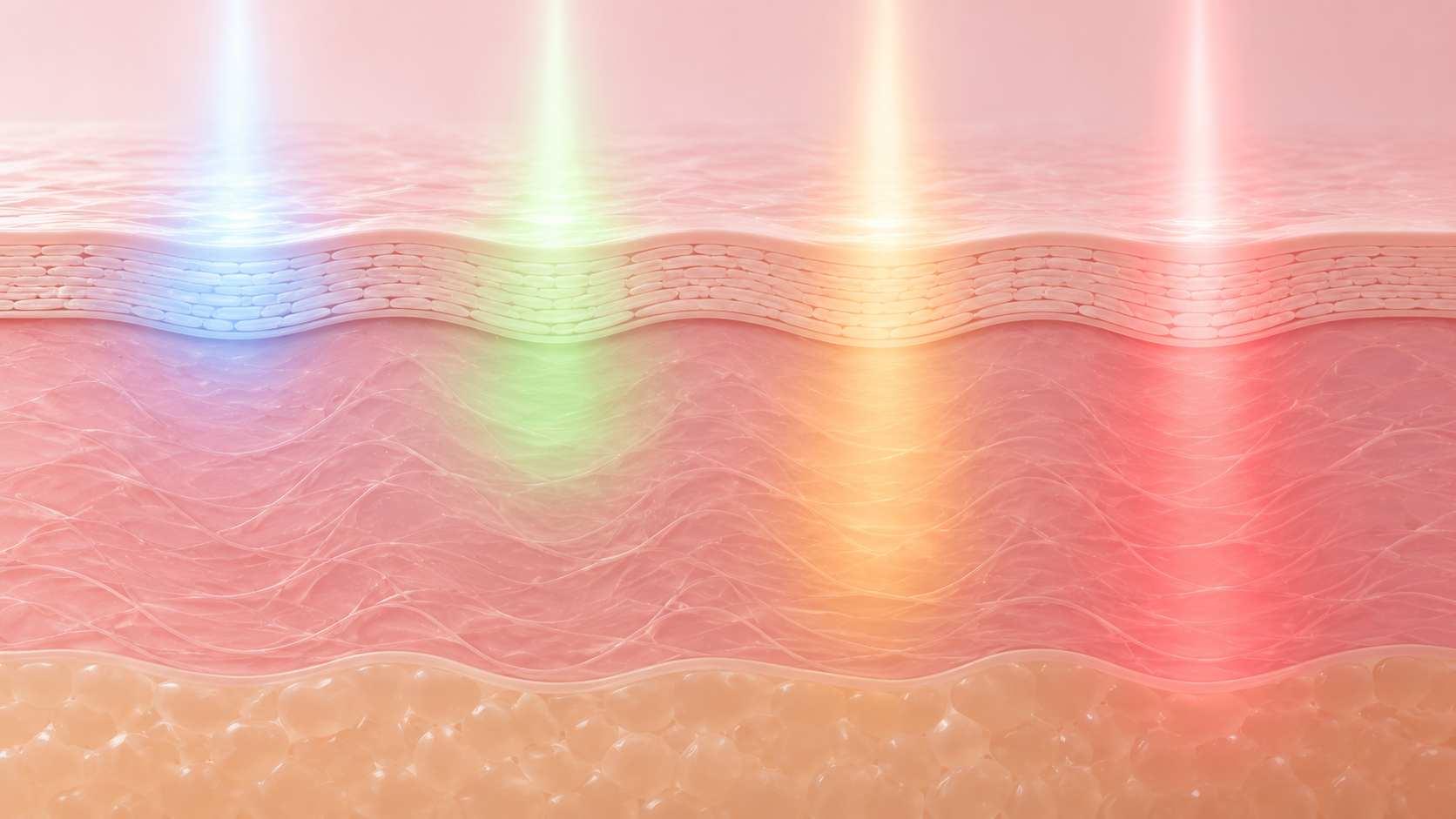
Different wavelengths are often associated with different skincare goals.
Red light is commonly used in routines focused on smoother, firmer-looking skin and visible signs of aging.
Near-infrared light is often included in advanced LED skincare routines for deeper light therapy support.
Blue light is commonly used for oily-looking or blemish-prone skin.
Yellow light is often associated with a calmer-looking complexion and visible redness support.
Green light is commonly used in routines focused on dullness and uneven-looking tone.
LED light therapy should not replace sunscreen, moisturizer, or a balanced skincare routine. Instead, it can be used as a supportive step within a consistent at-home routine.
For users focused on anti-aging, LED light therapy can be especially appealing because it does not require adding another serum or cream. It becomes a ritual — a regular moment of care that supports visible skin goals over time.
Why Consistency Matters More Than Intensity
One of the biggest misconceptions about anti-aging skincare is that stronger always means better.
In reality, skin usually responds best to consistency. Using a routine regularly, protecting the skin daily, and avoiding unnecessary irritation often matters more than using the strongest product available.
This is also true for at-home skincare devices.
An LED mask is most useful when it fits into real life. If a device feels complicated, uncomfortable, or hard to understand, users may stop using it. But when the routine is simple and guided, it becomes easier to stay consistent.
That is why many people are now looking for skincare tools that are not only advanced, but also easy to use.
Why Personalization Is Becoming More Important in Skincare
Skin does not look the same every day.
Your skin may look different after travel, poor sleep, stress, hormonal changes, weather shifts, or a busy week. Some days, dullness may be your main concern. Other days, you may notice oiliness, visible redness, uneven tone, or signs of fatigue.
This is where personalization becomes valuable.
A one-size-fits-all routine may not always match what your skin needs. A more personalized routine can help reduce guesswork and make skincare feel easier to follow.
Instead of asking, “Which mode should I use today?” users increasingly want guidance that helps them understand their skin and stay consistent.
How Rai-FACE Supports a Smarter Anti-Aging Routine
Rai-FACE was designed for people who want advanced skincare without making their routine more complicated.
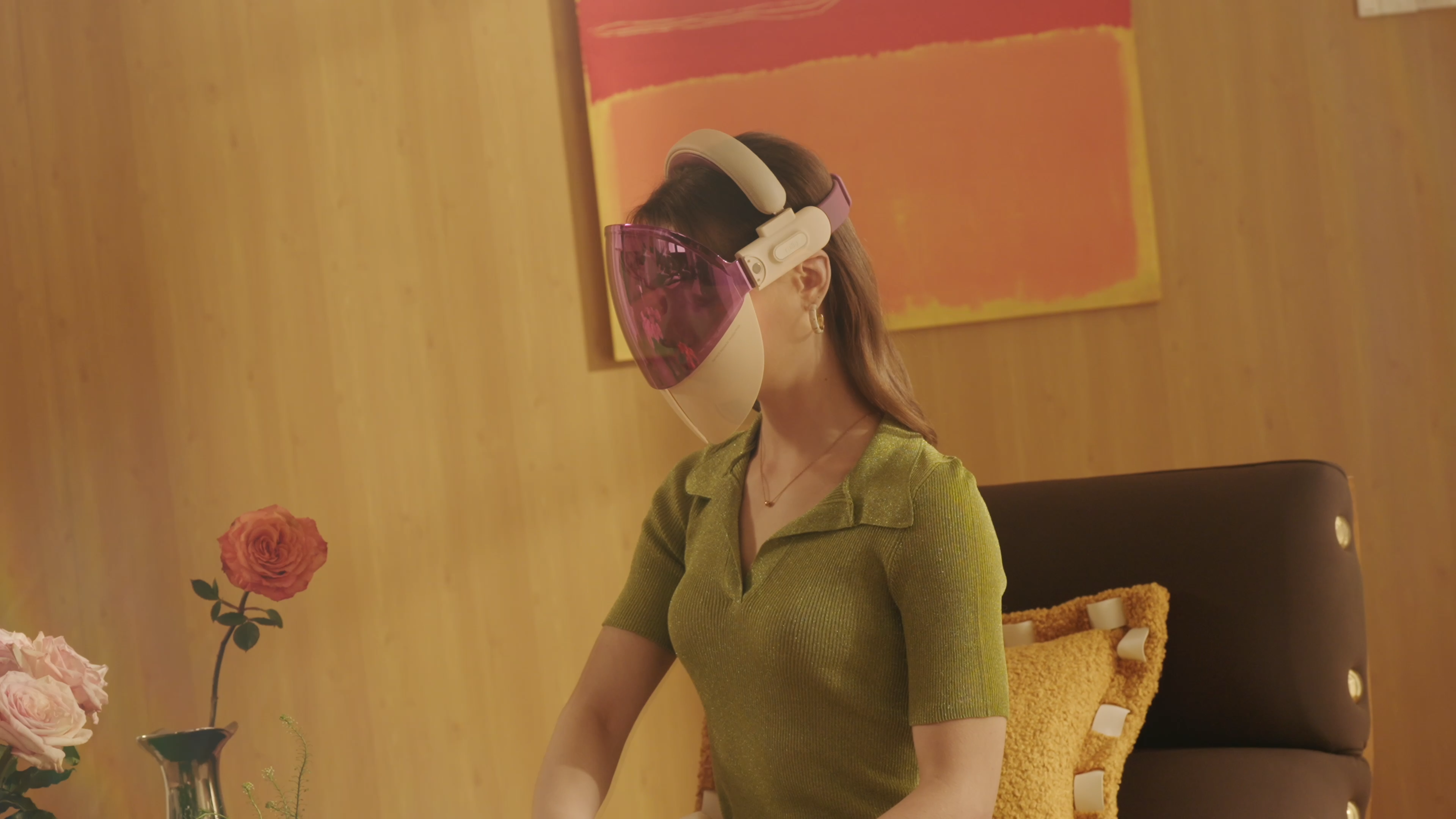
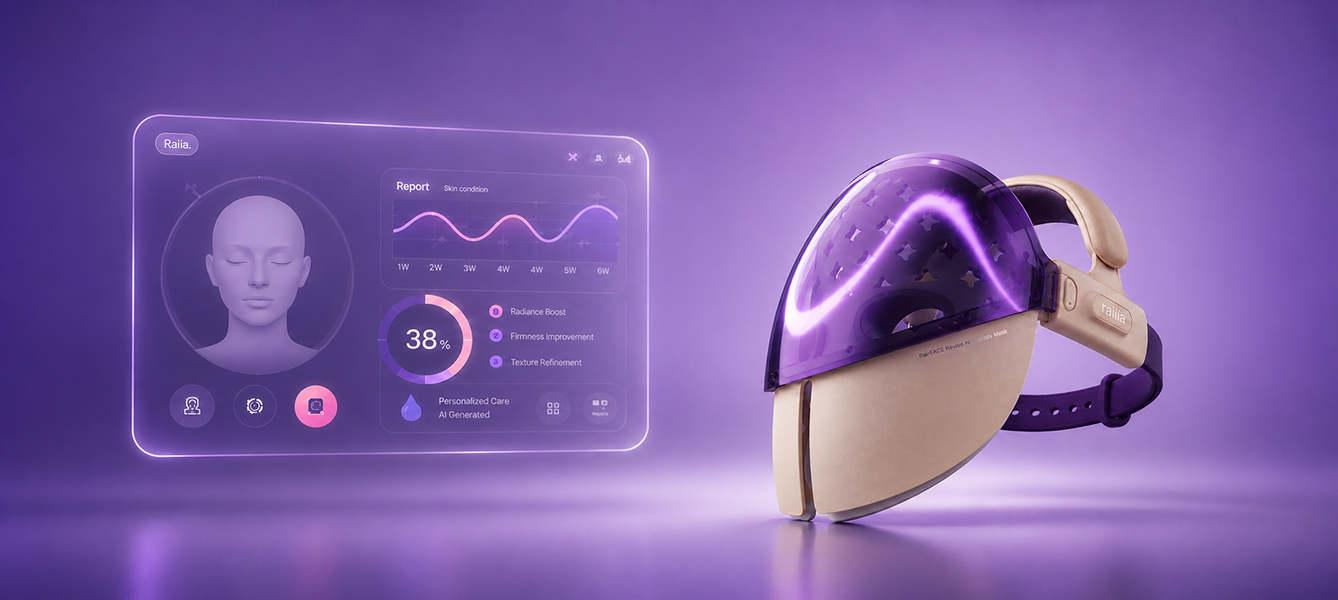
As an AI-powered LED light therapy mask, Rai-FACE combines AI skin analysis, multi-wavelength LED light therapy, app-based control, and skin progress tracking in one intelligent skincare system.
Instead of using only fixed manual modes, Rai-FACE helps analyze visible skin concerns and create a more personalized light therapy routine. This helps users spend less time guessing and more time following a guided, consistent skincare ritual.
For anti-aging skincare, Rai-FACE can support routines focused on:
-
Fine lines
-
Dull-looking skin
-
Uneven tone
-
Visible redness
-
Loss of visible firmness
-
Overall skin stress
-
Tired-looking skin after travel, stress, or lack of sleep
The goal is not to replace your skincare routine. The goal is to make one important step smarter, easier, and more consistent.
With a simple daily ritual, Rai-FACE helps bring LED light therapy into real life — not as a complicated device, but as an intelligent skincare companion.
The Role of the railia App
One of the most frustrating parts of skincare is that progress can be hard to see day by day.
Visible improvements often happen gradually. Skin may look slightly smoother, calmer, brighter, or more balanced over time, but these changes can be difficult to notice in the mirror every morning.
The railia app helps make the process clearer.
With app-based tracking, users can follow visible skin trends and view progress charts over time. This helps turn skincare into a more measurable, motivating experience.
The app helps users better understand:
-
How consistent their routine has been
-
How their skin condition changes over time
-
Which visible concerns may be improving
-
How personalized LED sessions fit into their long-term routine
For users who care about anti-aging, this kind of tracking can make the routine feel more intentional and easier to maintain.
A Simple Anti-Aging Routine Framework
A strong anti-aging routine does not need to be overwhelming. For many people, the best routine is built around a few consistent steps.
Morning
Cleanse gently if needed.
Apply an antioxidant serum, such as vitamin C, if it suits your skin.
Use moisturizer to support hydration and barrier function.
Apply broad-spectrum sunscreen.
Evening
Cleanse to remove sunscreen, makeup, and daily buildup.
Use targeted ingredients such as retinol, peptides, or niacinamide depending on your skin’s needs and tolerance.
Moisturize to support the skin barrier.
Use LED light therapy as part of your routine if it fits your skincare goals.
The exact order may depend on your products and device instructions. If your skin is sensitive or if you use prescription skincare, it is best to follow professional guidance.
What to Avoid in Anti-Aging Skincare
A good anti-aging routine is not only about what you add. It is also about what you avoid.
Try to avoid:
-
Skipping sunscreen
-
Using too many strong active ingredients at once
-
Over-exfoliating
-
Expecting overnight results
-
Changing products too frequently
-
Ignoring irritation
-
Using devices inconsistently
-
Following trends that do not suit your skin
Healthy-looking skin is built through steady care. The best results usually come from a routine that is realistic enough to repeat.
Anti-Aging by Age: What to Focus On
Every person’s skin is different, but general priorities often change over time.
In Your 20s
Focus on prevention. Sunscreen, gentle cleansing, moisturizer, and healthy habits matter most. This is also a good time to build consistency.
In Your 30s
Fine lines, dullness, and uneven tone may become more noticeable. Antioxidants, retinol, peptides, and regular hydration can become more important.
In Your 40s
Skin may begin to show more visible changes in firmness, tone, texture, and dryness. A more supportive routine with barrier care, targeted ingredients, and consistent at-home treatments may be helpful.
In Your 50s and Beyond
Skin may feel drier and appear thinner or less firm. Comfort, hydration, barrier support, and gentle consistency become especially important. Advanced at-home technologies like LED light therapy may also fit into a long-term skin-supportive routine.
The goal at every age is not perfection. It is healthier-looking, well-supported skin.
The Future of Anti-Aging Is More Personal
Anti-aging skincare is changing.
The conversation is moving away from harsh promises and toward healthier, more realistic goals: skin longevity, consistency, personalization, and daily rituals that fit into real life.
Modern skincare is not only about using more products. It is about understanding your skin better and choosing the right kind of support at the right time.
That is why personalized LED skincare has become so meaningful.
With Rai-FACE, railia brings together AI skin analysis, multi-wavelength LED light therapy, and app-based progress tracking to support a smarter daily skincare experience.
More than a mask, Rai-FACE is designed to be an intelligent skincare companion — helping users care for their skin with less guesswork, more consistency, and a routine that feels easier to maintain.
FAQ
What is the best anti-aging skincare routine?
A strong anti-aging routine usually includes daily sunscreen, gentle cleansing, moisturizer, barrier support, and targeted ingredients such as retinol, vitamin C, peptides, or niacinamide. Consistency matters more than using too many products at once.
When should I start anti-aging skincare?
It is never too early to build healthy skin habits. Daily sunscreen, hydration, and barrier care can begin in your 20s or earlier. Strong active ingredients can be added gradually based on your skin’s needs and tolerance.
Does LED light therapy help with visible signs of aging?
LED light therapy is commonly used in skincare routines focused on smoother, firmer-looking skin and visible signs of aging. It works best as part of a consistent routine that also includes sunscreen, hydration, and good daily habits.
What is red light therapy used for in skincare?
Red light is commonly used in routines focused on visible firmness, fine lines, and smoother-looking skin. Near-infrared light is also often included in advanced LED skincare routines for deeper light therapy support.
Can I use LED light therapy with retinol?
Many people use both in their routines, but skin tolerance varies. If you use retinol, prescription skincare, or have sensitive skin, it is best to introduce new steps gradually and follow device instructions carefully.
Why does personalization matter in anti-aging skincare?
Your skin changes with sleep, stress, weather, hormones, and lifestyle. A personalized routine can help reduce guesswork and make skincare easier to follow consistently.
How does Rai-FACE fit into an anti-aging routine?
Rai-FACE can be used as an intelligent LED light therapy step within a broader skincare routine. It helps analyze visible skin concerns, recommend personalized light therapy routines, and track progress through the railia app.
Discover Rai-FACE
Anti-aging skincare is not about doing more. It is about doing what matters, consistently.
Rai-FACE brings AI skin analysis, personalized LED light therapy, and app-based progress tracking into one premium skincare system.
Designed for daily life, Rai-FACE helps make advanced skincare simpler, smarter, and more personal.
Discover Rai-FACE and experience a more intelligent way to support your skin over time.

Leave a comment
This site is protected by hCaptcha and the hCaptcha Privacy Policy and Terms of Service apply.